



Synthesia Ltd. supply materials, know-how and efficient solutions for your business, based on our long experience and our interaction with our partners – leading worldwide producers.
We provide competent technical advice for your future projects and solve current problems in your work. You can trust on us! Please see our website for our products divided on groups. If you need a specific product, but it is not on our website please contact us.
Chemicals
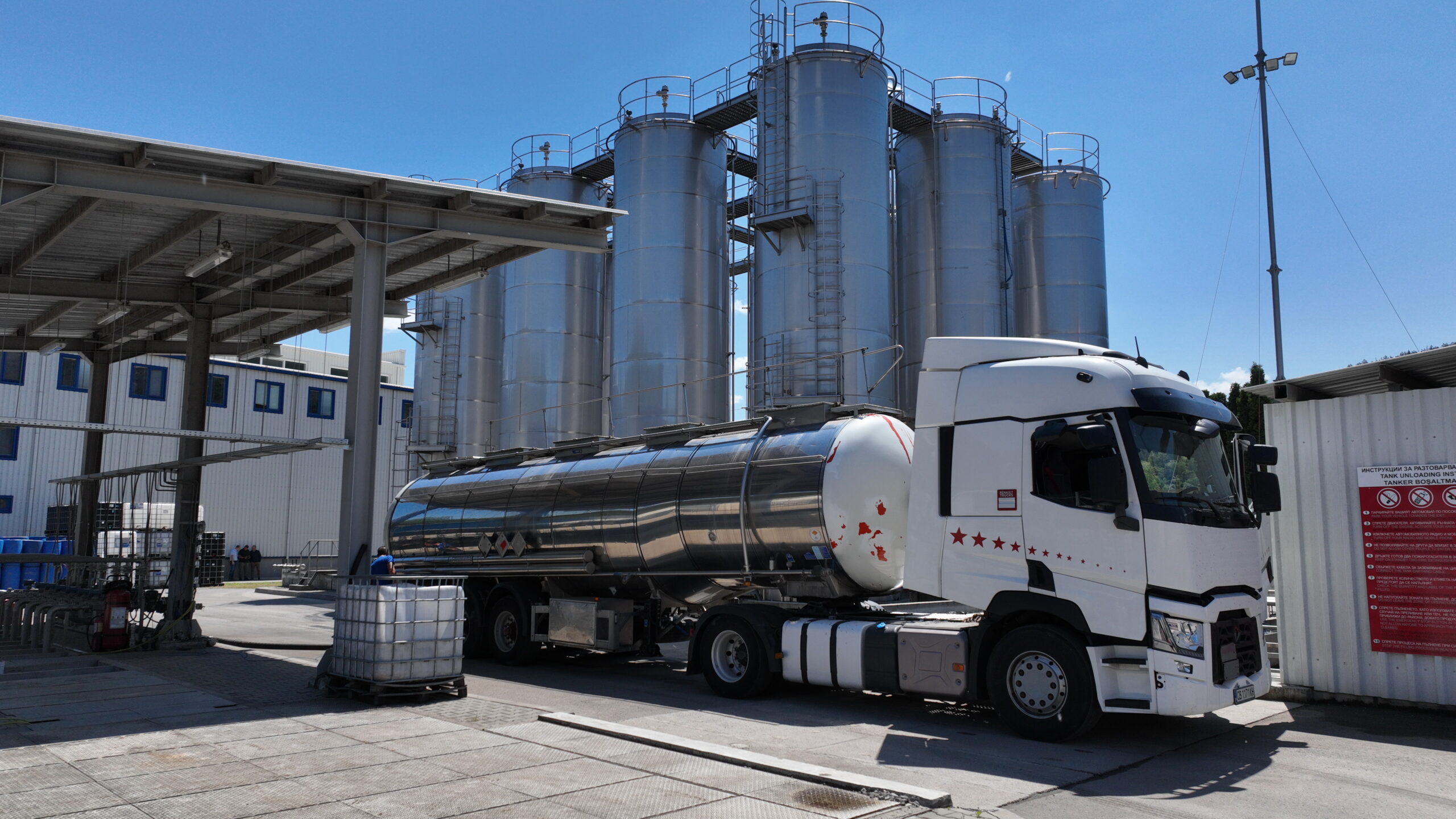
We supply and distribute a variety of chemicals for the printing and PVC industries, pharmaceuticals and households.
Polymers
Printing
Services





Chemicals
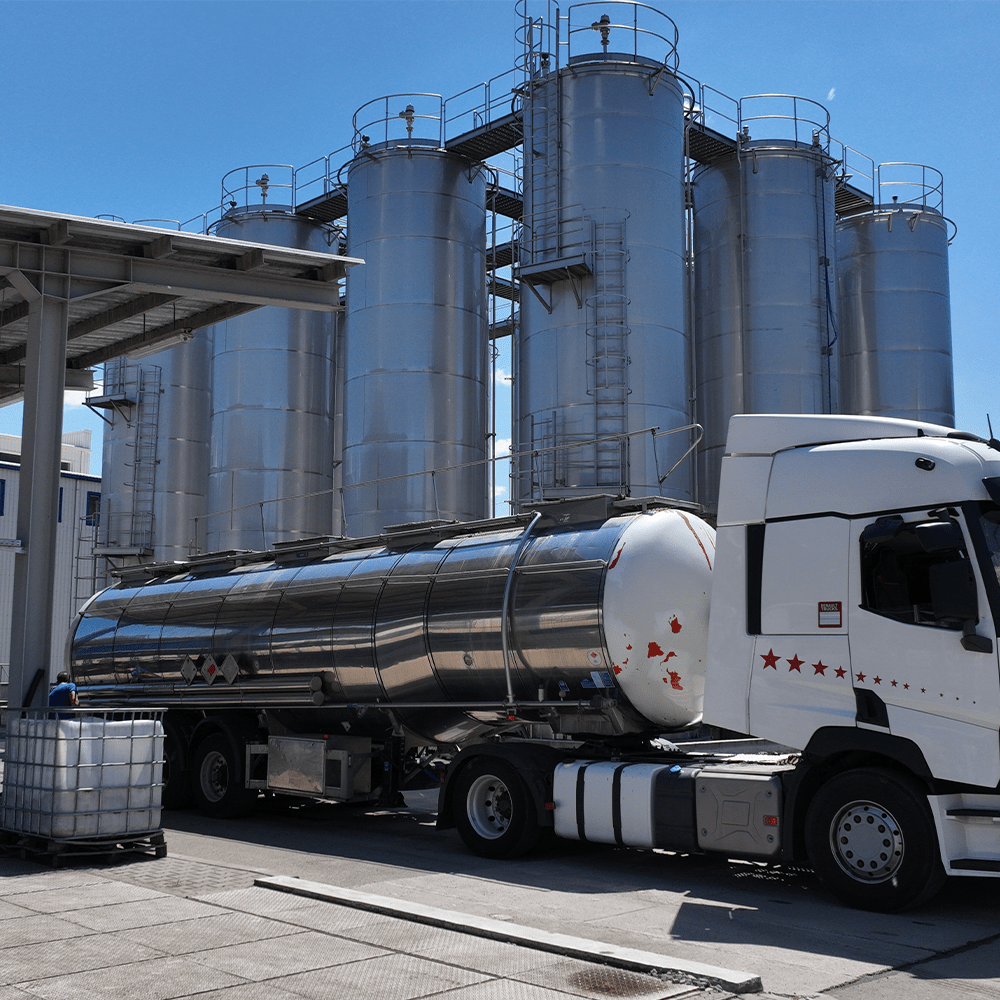
We supply and distribute various chemicals for the printing, pharmaceutical, household and PVC industries. We work with exclusive…


Printing
Synthesia Ltd. supplies nitrocellulose flexo inks, water-based flexo inks, UV inks, flexo polyamide printing…
Chemicals
We supply and distribute various chemicals for the printing, pharmaceutical, household and PVC industries. We work with exclusive…
Printing
Synthesia Ltd. supplies nitrocellulose flexo inks, water-based flexo inks, UV inks, flexo polyamide printing…


Polymers
We supply colored masterbatches, additives, primary and recycled materials for manufacturers of plastic products. Synthesia Ltd. works…


Services
Synthesia Ltd. provides a wide range of services for the technical and legal needs of companies operating in the printing and plastic industries.
Chemicals
We supply and distribute various chemicals for the printing, pharmaceutical, household and PVC industries. We work with exclusive…
Printing
Synthesia Ltd. supplies nitrocellulose flexo inks, water-based flexo inks, UV inks, flexo polyamide printing…
Polymers
We supply colored masterbatches, additives, primary and recycled materials for manufacturers of plastic products. Synthesia Ltd. works…
Services
Synthesia Ltd. provides a wide range of services for the technical and legal needs of companies operating in the printing and plastic industries.